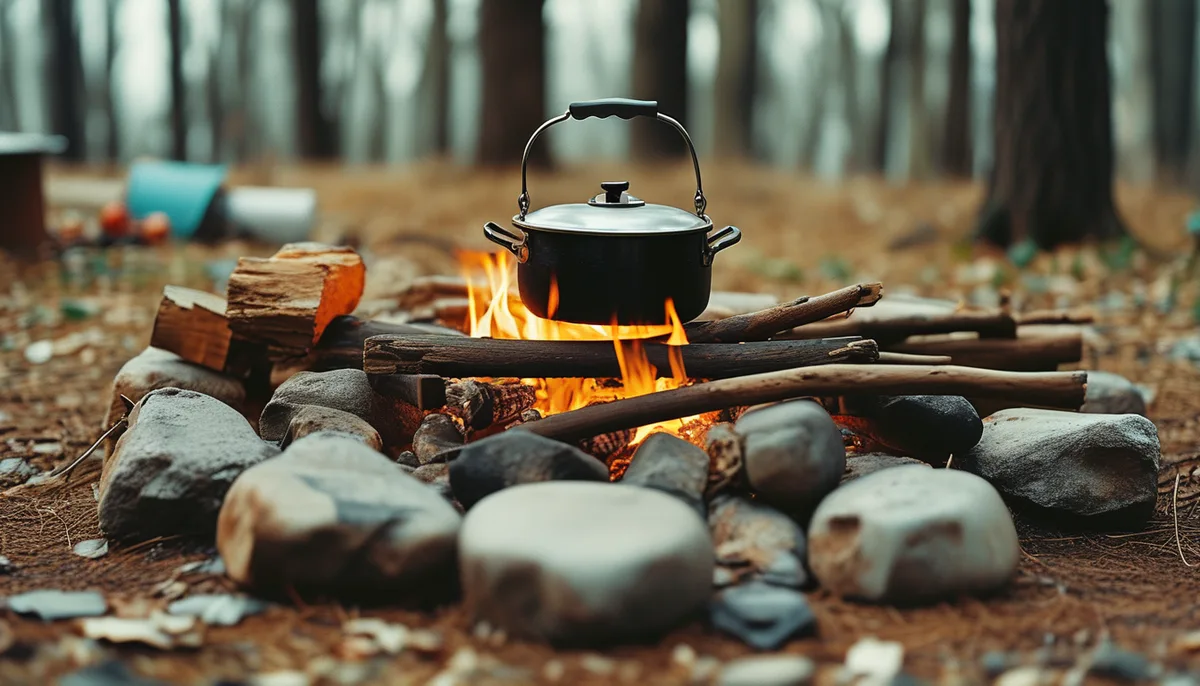
Campfire or Stove? The Backcountry Impact, Compared
A stove boils water with zero trace in three minutes; a campfire consumes deadwood habitat, scars soil for years, and starts most backcountry wildfires.
Reporting on the environmental cost of getting outdoors and the operators who reduce it. Coverage includes emissions per journey, visitor caps, habitat damage on popular trails, offsetting schemes worth the money, and greenwashed conservation marketing. For travelers who want the impact quantified before deciding whether a trip is defensible.
Environmental cost in numbers.
A stove boils water with zero trace in three minutes; a campfire consumes deadwood habitat, scars soil for years, and starts most backcountry wildfires.
Five checks — permits, guide ratios, group size, wildlife rules, and local hiring — separate genuinely responsible outfitters from good marketing.
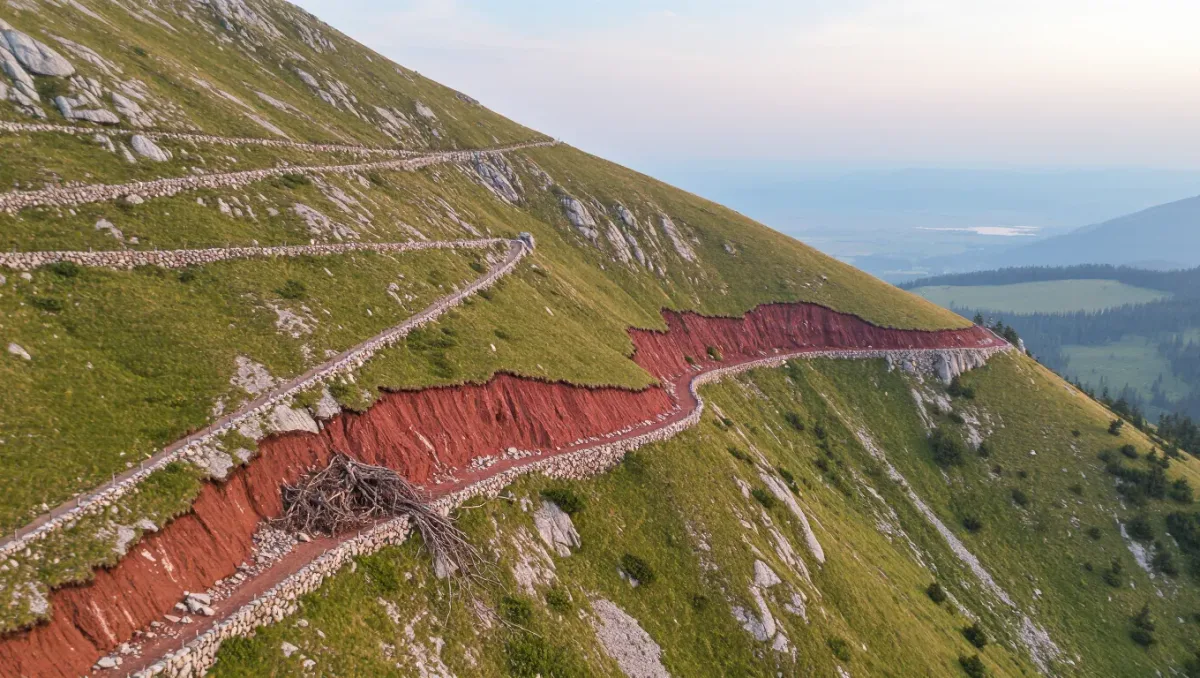
A 20-step shortcut down a switchback can start an erosion gully that undoes thousands of dollars of trail work — here is the mechanics, and what to do instead.
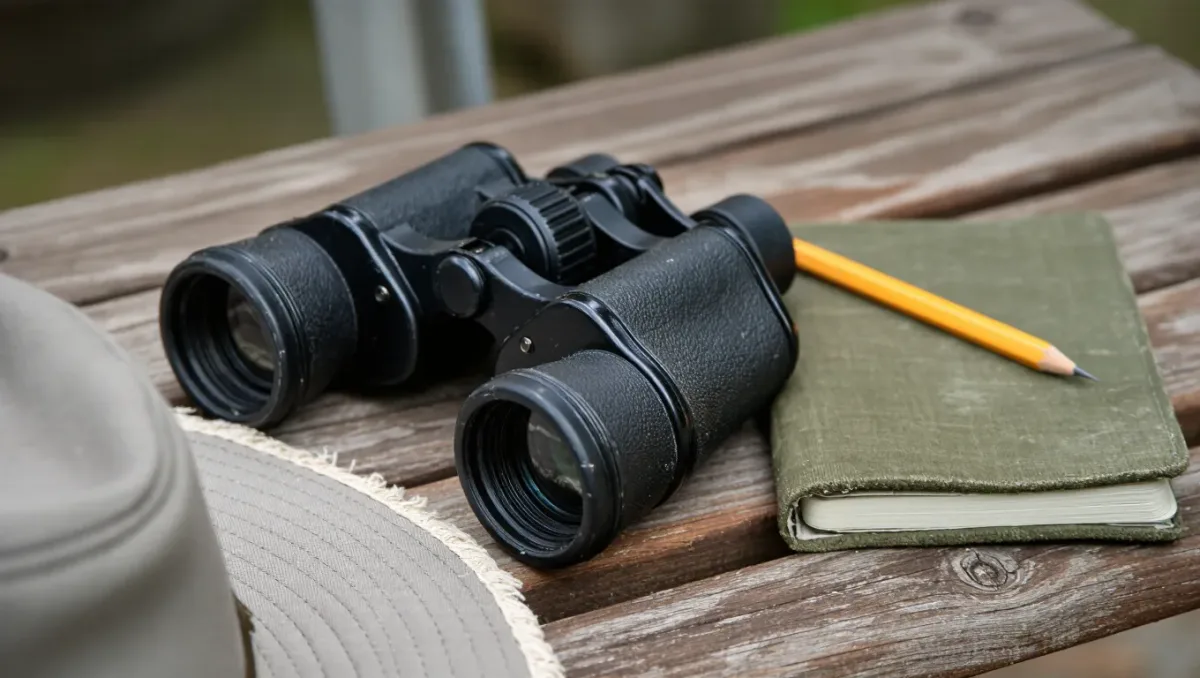
Good wildlife watching is a distance game — here are the actual spacing rules, the optics that keep you far back, and the behaviors that cost animals nothing.
A five-month thru-hike can generate hundreds of discarded wrappers and bottles — here is the resupply-system math that cuts most of it without extra weight.
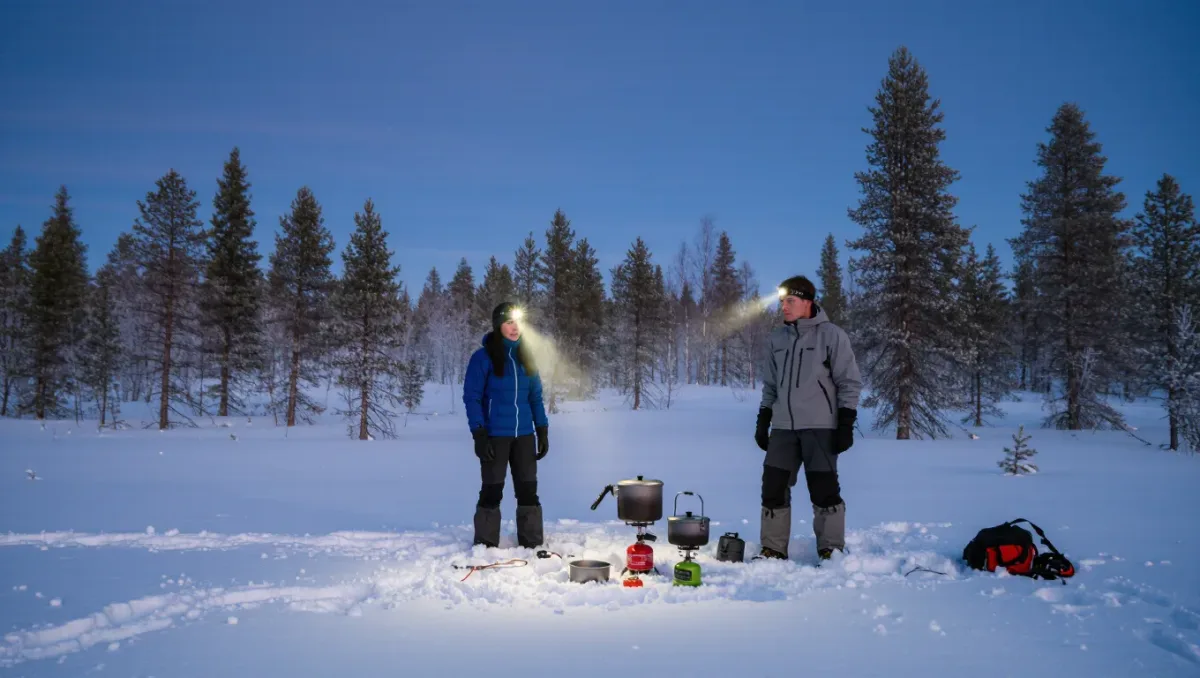
Snow changes every Leave No Trace decision you make, from where you camp to how you deal with waste — here is what actually works below freezing.